
Transform Your Home with Bold Decor Ideas That Feel Unforgettable
When you walk into a room and feel an instant sense of calm, it’s often because the colors, textures, and furniture have been chosen to support how you actually live. Home decor is simply the art of arranging these elements—like a soft throw draped over a chair or a warm lamp on a side table—to create spaces that feel both personal and functional. It works by balancing comfort with visual interest, letting you swap out pillows, rugs, or wall art to refresh a mood without a full renovation. This gentle control over your surroundings can ease daily stress, turning a house into a place that truly cares for you.

What Exactly Counts as Home Decor and Where Do You Start?
Home decor is anything you place or arrange inside a room that shapes its mood, function, or story—not structural elements like walls or flooring, but the objects you can swap on a whim: throw pillows, rugs, wall art, lamps, vases, curtains, candles, and even books styled on a shelf. The line blurs with furniture, but decor typically means the *layer* on top, the personality you add after the couch and table are set. To start, pick one anchor piece—a bold rug or a large print—then pull two smaller accents from its colors, like a cushion and a ceramic bowl. Begin with a single surface, like a coffee table or entryway console, and arrange three items of varying heights. Resist buying everything at once; live with empty space for a week to see what genuinely calls to you. The best first step is noticing which corner makes you sigh, not with stress, but with relief.
Defining the Difference Between Decorating, Styling, and Interior Design
Defining the difference between decorating, styling, and interior design starts with scale and intent. Interior design is the architectural backbone—spatial planning, lighting flow, and structural changes that make a room function. Decorating layers onto that shell with paint, fabrics, and furniture that speak to a mood. Styling, meanwhile, is the final, artful curation: the art, objects, and vignettes that tell a story. For home decor, the sequence matters: first, fix the layout and traffic flow; second, choose the palette and large pieces; third, style the surfaces with personal accents. Styled details can elevate a room, but they never rescue a poorly planned layout.
The Core Elements: Color, Texture, Lighting, and Furniture Placement
Before buying a single accessory, anchor your room in the core elements of home decor—color, texture, lighting, and furniture placement. Start with a wall color that sets your mood, then layer in tactile variety: a chunky knit throw, a sleek ceramic vase, and a rough linen curtain. Next, manipulate lighting by combining overhead fixtures with floor lamps and candles to create depth. Finally, arrange seating around a focal point, not the walls, to promote conversation. A simple sequence works:
- Choose a neutral base color,
- add three contrasting textures,
- position warm and cool light sources,
- then float furniture to define traffic flow.
This interplay turns any empty shell into a cohesive, livable space.

How to Identify Your Personal Style Before Buying Anything
Before buying anything, audit your existing wardrobe and favorite rooms to isolate recurring colors, textures, and silhouettes—these are your instinctive preferences. Create a digital or physical mood board from interiors you admire, then strip it down to three adjectives (e.g., “warm minimalism,” “organic modern”). Cross-reference those adjectives with your daily habits: if you hate dusting, skip open shelving; if you work from home, prioritize tactile comfort over visual trends. Visit a showroom and touch materials, but photograph only pieces that make you pause—not ones you feel obligated to like. Define your style as a filter, not a label, so every purchase passes a test: does it match your core three adjectives and your actual space’s light and scale? Finally, wait 48 hours before any checkout—impulse buys reveal a mood, not a style. Your personal style is the consistent thread across everything you already keep, not what you think you should buy.
Style identification is retrospective: mine your current favorites, distill them into three adjectives, and let that filter veto every future purchase.
How to Choose Decor That Fits Your Space Without Overwhelming It
Start by measuring your room’s footprint and noting its natural light, then pick one **focal point**—a sofa, a large art piece, or a rug—and let everything else play a supporting role. Scale is your best friend: a giant sectional will swallow a cozy den, just as tiny trinkets get lost in a loft. Edit ruthlessly by sticking to a palette of three colors and mixing two or three textures (wood, linen, metal) for depth without clutter.
The secret is negative space—leave 30% of surfaces bare so your eyes can rest.
Place larger items first, then layer in smaller accents only if they serve the room’s flow. Ask yourself daily if each piece earns its spot; if not, rotate it out. The goal is a curated breath, not a stuffed shelf.

Measuring and Scaling: Why Your Room Size Dictates Your Choices

Before buying a single piece, measure both the room’s footprint and its vertical clearance—this is non-negotiable. A sprawling sectional will swallow a 10×12 living room, while a delicate side table disappears in a loft. Use painter’s tape to outline furniture on the floor; this visualizes walking paths and prevents overcrowding. Scale also applies to height: a low sofa demands a low-profile coffee table, avoiding awkward gaps. For small rooms, choose one oversized anchor piece (like a large rug) to create focus, then keep secondary items compact. Your room size dictates your choices because proportion—not trend—determines visual balance. Always leave at least 24 inches of clearance in high-traffic zones. Scale is your silent designer; honor it, and the space feels intentional, not cluttered.
Measure twice, buy once: every decor decision must bow to your room’s actual dimensions, ensuring harmony instead of overwhelm.
Selecting a Cohesive Color Palette That Flows From Room to Room
Start by picking one neutral anchor—like a warm greige or soft sage—and let it travel through your main living areas as your wall or large furniture base. Then, pull two or three accent hues from a single inspiration piece, like a rug or artwork, and rotate them as secondary pops in each room. This creates a seamless color flow between rooms without making every space identical. Keep transitions gentle by repeating at least one shade in adjacent doorways or hallways, and test paint swatches in natural light before committing.
Q: How do I avoid a choppy look when changing colors room to room?
A: Use the same undertone family—warm or cool—even when hues differ, and carry one accent color (like a terracotta pillow or blue vase) into the next space so the eye never hits a hard stop.
Balancing Patterns and Textures to Avoid a Cluttered Look

Balancing patterns and textures requires a deliberate ratio: anchor the room with one dominant motif, such as a large-scale floral on drapes, then introduce secondary patterns at reduced scale to prevent visual competition. Pair busy prints with flat, matte surfaces—like a chunky knit throw over a smooth linen sofa—to give the eye a resting point. Limit texture families to three per space, repeating each at least twice to create rhythm without chaos. Strategic negative space is your safeguard; leave 40% of surfaces visually quiet.
- Select one hero pattern
- Layer one contrasting texture (e.g., ribbed vs. woven)
- Edit out any element that repeats the same hue or scale twice.
Use visual weight checks: if a patterned rug competes with a patterned wall, dull the rug’s contrast.
Practical Tips for Styling Shelves, Walls, and Surfaces Like a Pro
Walk into a room and your eye should have a journey, not a job. Start with shelves by grouping items in odd numbers—three stacked books, one sculptural vase, a tiny framed photo—but vary the heights or the whole thing feels like a lineup. For walls, resist the urge to scatter; instead, build a cluster around a central anchor, like a large mirror, letting smaller pieces orbit it with consistent gaps of two inches. Surfaces, like a console table, demand a resting point: place a stack of coffee-table books flat, then lay a brass bowl on top, leaving one side visibly clear for breath. The pro secret is editing—remove one item from every arrangement you think is done.
Your home becomes a story when every styled corner has a quiet protagonist, not a crowd.
Finally, pull textures from nature—dried pampas, a stone—to soften the geometry, then step back and shift a single piece by an inch; that tiny adjustment is what makes it feel lived-in, not decorated.
The Rule of Three and Other Arrangement Formulas for Quick Wins
The Rule of Three arrangement formula delivers immediate visual balance by grouping objects in odd numbers, which the eye naturally resolves as cohesive. For shelves, pair three varying heights—a tall vase, a stack of books, and a small sculptural piece—spacing them unevenly to avoid stiffness. Other quick formulas include the golden ratio (60/40) for wall art placement and the “triangle method” for surfaces, where the tallest item anchors one corner and two smaller pieces balance the opposite diagonal. These patterns prevent scattered looks without requiring professional styling.
- Always vary object heights and textures within a trio.
- Anchor large wall art at eye level, leaving 6–8 inches above furniture.
- Use the triangle method to guide eye movement across a mantel or console.
- Limit decorative groups to three or five items for maximum impact.
How to Hang Art and Mirrors at the Correct Height for Visual Impact
For art, the golden rule is to center the piece at eye level—typically 57 to 60 inches from the floor to the middle of the frame. This creates a seamless connection with the viewer. When hanging mirrors, consider the function: a mirror above a console should sit 6–12 inches above the furniture, while a full-length mirror’s center can be lower, around 54 inches. Use a laser level and painter’s tape to mark the spot, and always account for the wire drop. For grouped art, treat the entire cluster as one unit, aligning its collective center to the same height. Visual impact relies on this precise, consistent baseline.
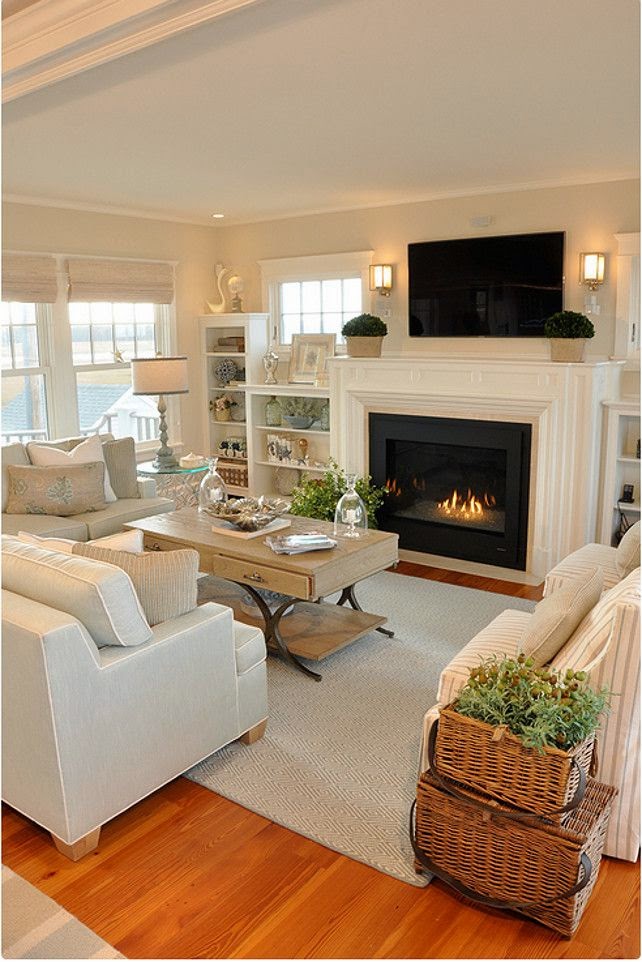
Using Trays, Books, and Greenery to Create Instant Focal Points
To create instant focal points, anchor a collection with a tray—preferably wood or stone—to define the visual boundary. Stack two or three hardcover books horizontally, then top them with a small sculptural object; this adds height and tactile contrast. Introduce greenery as the organic disruptor: a trailing pothos breaks rigid lines, while a single dramatic stem, like a monstera leaf, draws the eye upward. For a cohesive arrangement, follow this sequence:
- Place the tray off-center, not dead center.
- Layer books flat, varying their cover colors to match your palette.
- Add a low ceramic vase with greenery at the front-left, leaving negative space on the right.
This triad—layered elevation—transforms any surface into a deliberate, styled vignette. Rotate the greenery weekly to keep the focal point alive.
Must-Have Decor Pieces That Elevate Any Room, Even on a Budget
You don’t need a big budget to make a room feel intentional and polished. Start with a large mirror—it instantly bounces light around and makes any small space feel twice as big. Next, grab a few textured throw pillows or a chunky knit blanket; these add warmth and a layered, designer look without costing much. A single oversized piece of wall art or a framed poster can anchor a whole wall, and a thrifted vase or a few glass candlesticks filled with greenery bring in that curated, lived-in vibe. Finally, swap out a basic lamp shade for something sculptural or add a floor lamp with a warm bulb to change the entire mood.
You can elevate a room by focusing on scale, texture, and lighting rather than price tags.
Small swaps like these pack the biggest punch for your space.
Versatile Staples: Throw Pillows, Area Rugs, and Curtains Explained
Throw pillows, area rugs, and curtains form the backbone of affordable room transformations because they instantly alter texture, color, and perceived scale without structural changes. A well-placed rug anchors seating and defines zones, while layered pillows soften hard lines and inject personality through contrasting fabrics. Curtains, hung high and wide, trick the eye into seeing taller windows and more generous proportions. Even mixing two bold patterns across these elements works if you repeat one accent color in each piece. Prioritize durable, washable materials for high-traffic areas, and always size rugs to fit under furniture legs for a cohesive, polished look. Together, these three staples deliver maximum visual impact for minimal investment, making them the smartest first purchases for any budget-conscious redesign.
How Lighting Layers—Ambient, Task, and Accent—Transform the Vibe
Layering ambient, task, and accent lighting fundamentally redefines a room’s spatial psychology without requiring a single structural change. Ambient light establishes a neutral baseline, eliminating harsh shadows, while a focused task light—like a swing-arm lamp over a reading chair—creates a functional zone that visually carves out purpose. Accent lighting, however, delivers the emotional pivot: a narrow beam on a thrifted sculpture or textured wall adds depth and drama, making flat surfaces feel dimensional. This triadic setup lets you dial the mood from clinical to intimate by simply switching circuits, turning a static budget room into a responsive environment.
- Dim ambient to 40% and watch wall colors shift warmer—immediate vibe change.
- Place homebrella.com a task light at eye level to create a cozy, focused nook without furniture.
- Use accent spots on unexpected textures (brick, linen) to multiply perceived richness.
Affordable Swaps That Refresh a Space Without a Full Renovation
Ditching dated hardware is the fastest affordable swap that refreshes a space without a full renovation, as swapping brass knobs for matte black pulls instantly modernizes cabinetry. Swapping a heavy coffee table for a slim, open-frame version visually expands a cramped living room. Replacing a bulky lampshade with a sculptural paper pendant casts a fresh glow, while a single textured throw draped over a neutral sofa adds depth without reupholstering. It’s amazing how much character emerges from simply rotating accessories like vases or trays between rooms.
- Swap outlet covers and switch plates for brushed nickel versions.
- Trade heavy drapes for sheer linen panels to brighten the room.
- Replace a solid door with a louvered or glass-paneled one.
- Upgrade basic faucet aerators or showerheads for a sleek finish.
Fixing Common Decor Mistakes Every Beginner Makes
The biggest fix for beginner decorators is conquering the scale mismatch—that lonely sofa floating in a vast room or a dwarf-sized rug lost under a bed. Anchor your furniture by pulling it off the walls and ensuring your rug is large enough to fit at least the front legs of all key pieces. Next, tackle the too-high gallery wall by hanging art at eye level (57 inches to center) and grouping pieces as one cohesive unit. Finally, banish the bare-bulb glare by layering ambient, task, and accent lighting at different heights; never rely on a single overhead fixture.
Start with one functional focal point—like a fireplace or large window—and build your arrangement around it, not against the walls.
Correcting these three simple errors instantly transforms a sterile showroom into a layered, inviting home.
Why Your Rug Is Too Small or Your Furniture Is Against the Wall
A rug that’s too small visually fractures your seating area, making the room feel chopped and unfinished. The fix is to ensure all front furniture legs sit on the rug—or for larger spaces, the entire piece—anchoring the zone. Similarly, pushing every sofa against the wall pushes energy to the perimeter, leaving a dead void in the center. Pull furniture inward at least 12–18 inches to create intimate conversation clusters. This floating arrangement makes the rug the true foundation. Proper rug sizing and furniture placement transform cramped, awkward layouts into balanced, intentional rooms.
Q: Why does a small rug make my room feel chaotic?
A: Because it visually separates furniture into isolated islands, breaking the cohesive ground plane. A larger rug unifies the group, making the layout feel deliberate and grounded.
How to Handle Empty Corners and Large Blank Walls Creatively
Empty corners and large blank walls often read as unfinished because they lack visual weight and defined purpose. To handle them creatively, first assess the corner’s traffic flow: place a tall plant, a floor lamp with an arc, or a sculptural stool to anchor the space without blocking movement. For walls, resist filling every inch; instead, build a layered gallery wall that extends beyond the furniture line, or use a large-scale mirror to reflect light and double perceived depth. Alternatively, apply a bold color block or textured panel on one section, leaving breathing room around it. The logical rule: distribute mass unevenly but deliberately, so the eye lands naturally rather than searching for missing elements.
Learning When to Edit: What to Remove for a Cleaner, Calmer Look
Learning when to edit means recognizing that visual noise often comes from objects you’ve stopped noticing. Start by removing anything purely decorative that lacks a functional or sentimental anchor, like unused candle holders or dusty artificial stems. Next, clear surfaces of stray cords, old magazines, and tiny trinkets that fragment your sightline. A critical test: if a piece doesn’t earn its place by serving a purpose or sparking joy within ten seconds, it should go. Finally, remove overly matched accessories that compete for attention, then step back and reassess. This deliberate subtraction reveals your room’s architecture, creating that cleaner, calmer look without purchasing a single new item.